


The Pioneer Valley is full of good businesses hiding behind “just okay” websites. A lot of Pioneer Valley WordPress sites fall into this category.
You see it all the time.
Amazing café.
Okay website.
Thoughtful nonprofit.
Confusing navigation.
Solid tradesperson.
Slow, three‑page brochure site built in 2014.
In a sparsely populated region like Western Massachusetts, that stuff matters more than most people think. Your website doesn’t have to be fancy. But it does have to work.
Let’s talk about what actually works for Pioneer Valley WordPress websites, and what quietly holds local businesses back.
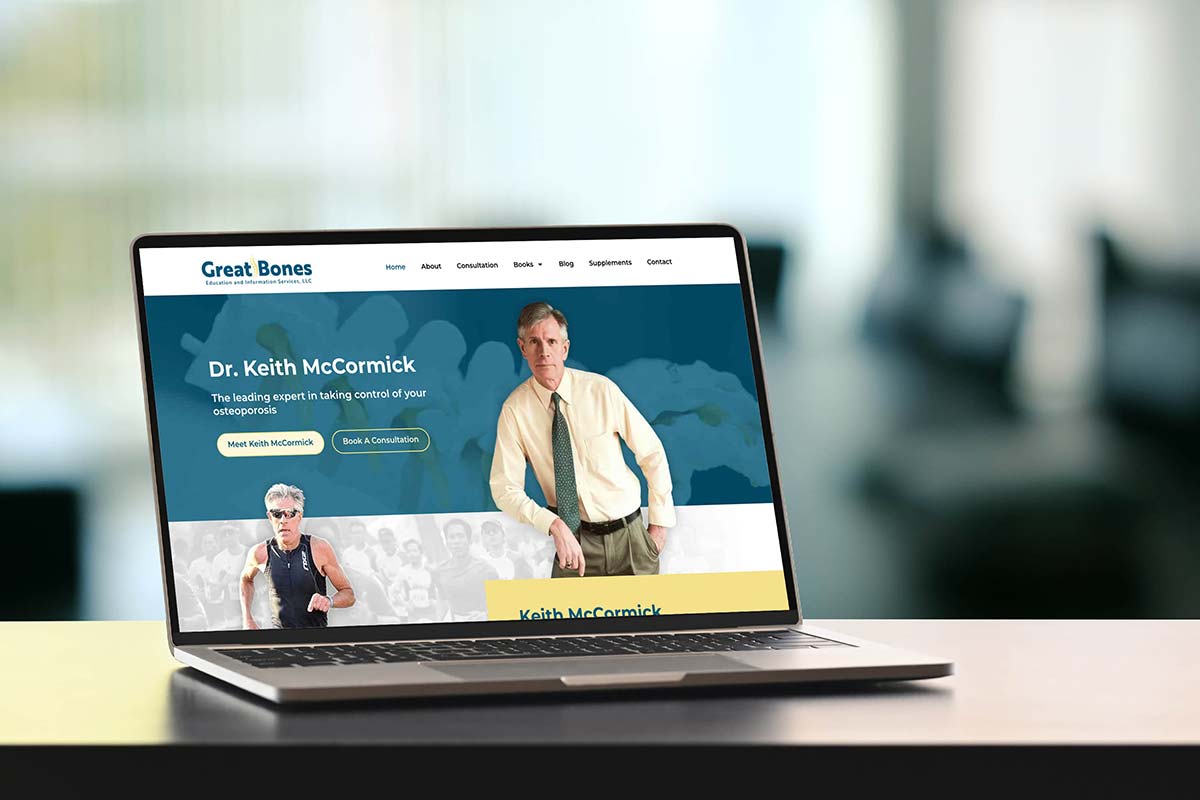 1. Platform choice: WordPress vs “easy” website builders
A lot of local businesses start here:
“Should I just spin something up on Wix or Squarespace?”
Totally fair question. Those platforms are marketed as “drag, drop, done.” For very simple needs, they can be fine.
But here’s the catch: they’re built to keep things simple by limiting what you can do. You follow their rules:
- Their layouts.
- Their URL structures.
- Their way of handling SEO, content, and integrations.
If you never grow beyond a basic brochure site, that might be okay. If you’re trying to build a real presence across towns like Northampton, Easthampton, Amherst, Holyoke, Greenfield… you’re going to hit a wall.
WordPress, on the other hand, is more like a toolbox with actual depth. You can:
- Structure content any way you want.
- Control technical SEO and performance.
- Integrate with booking tools, event systems, CRMs, donation platforms, and more.
For most Pioneer Valley WordPress builds, that flexibility becomes the difference between a site that grows and one that stalls out.
Yes, it can feel heavier at first. That’s why you work with someone who lives in it. But long‑term, WordPress gives Pioneer Valley businesses room to move instead of a box to bump into.
What holds businesses back: Choosing a builder for “easy today” and discovering “stuck tomorrow.”
What works: Using WordPress as the foundation so your site can grow as your business and your marketing get more serious.
2. Design and UX: clarity beats clever
For local customers, your website is often the first impression and the last straw.
Local businesses depend on being found and trusted, a strong Pioneer Valley WordPress site helps make that happen.
If the site is slow, confusing, or cluttered, people bail. They might still like you as a person. They just won’t fight your navigation to prove it.
Common patterns that hold Pioneer Valley sites back:
- “Creative” layouts that hide basic info (hours, services, phone number).
- Menus with too many choices and no clear path.
- Desktop‑only thinking; the mobile version feels like an afterthought.
You don’t need fancy. You need obvious.
Good Pioneer Valley WordPress design isn’t about standing out visually, it’s about making things easy to understand and act on.
Good WordPress UX for local businesses looks like this:
- Clear menus labeled in normal language (“Roofing Services,” “Dermatology Services,” “Family Law,” “Storage Locations”).
- Simple, consistent layouts with plenty of breathing room.
- Strong calls to action that answer, “What should I do next?” (Call, book, request a quote, donate).
- Mobile layouts that feel native on a phone, not squashed desktop content.
When you get this right, people stay longer, click deeper, and actually take action. That’s good for business and good for SEO.
What holds businesses back: Treating design like decoration and ignoring how real humans move through the site.
What works: Clean, mobile‑first WordPress designs that make it dead simple to understand who you are, what you do, and how to take the next step.
3. Content and local SEO: say where you are, say what you do
This sounds obvious, but it’s a common miss.
This is where Pioneer Valley WordPress sites either start to perform or disappear in search.
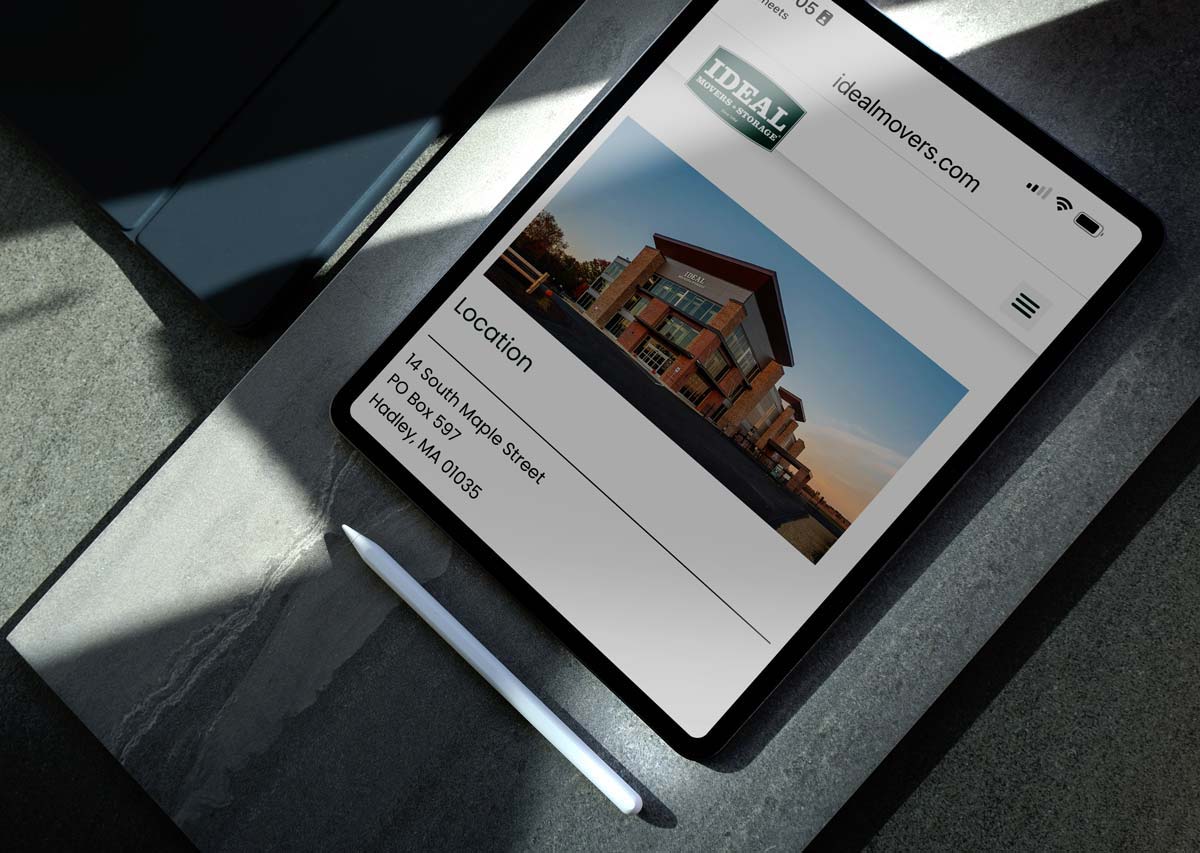
Clear location details on a Pioneer Valley WordPress site help both customers and search engines understand exactly where a business operates.
A lot of local websites never clearly say:
- What towns they serve.
- What specific services they offer.
- What makes them different from the three other businesses with similar names nearby.
If Google can’t tell who you serve and where you work, it’s going to have a hard time showing you to the right people. Same goes for actual humans.
What works better:
- Service pages that spell things out: “Residential Roofing in Hampshire County,” “Family Law Attorney in West Springfield,” “Dermatology Care in Northampton,” “Storage Units in Hadley and South Deerfield.”
- Location language that mentions real towns, neighborhoods, and landmarks people use in conversation.
- Clear page titles and headings that match what someone might type into a search bar.
WordPress makes this easier because you can create:
- Dedicated service pages and location pages instead of trying to cram everything into one generic “Services” page.
- Blog posts and resource pages that answer local questions and build authority over time.
- Local schema and structured data with plugins or custom fields, giving search engines better signals about your business.
In a region where search volume is lower and competition is quieter, doing the basics well is often enough to stand out.itseeze-
What holds businesses back: Vague content, thin pages, and no mention of where they actually operate.
What works: WordPress sites with clear, local content and simple on‑page SEO that connect the dots between your services and your slice of the Valley.
4. Performance and technical health: speed is not optional
Out here, not everyone has fiber.
Plenty of people are browsing your site on older phones, average Wi‑Fi, and spotty cell coverage.
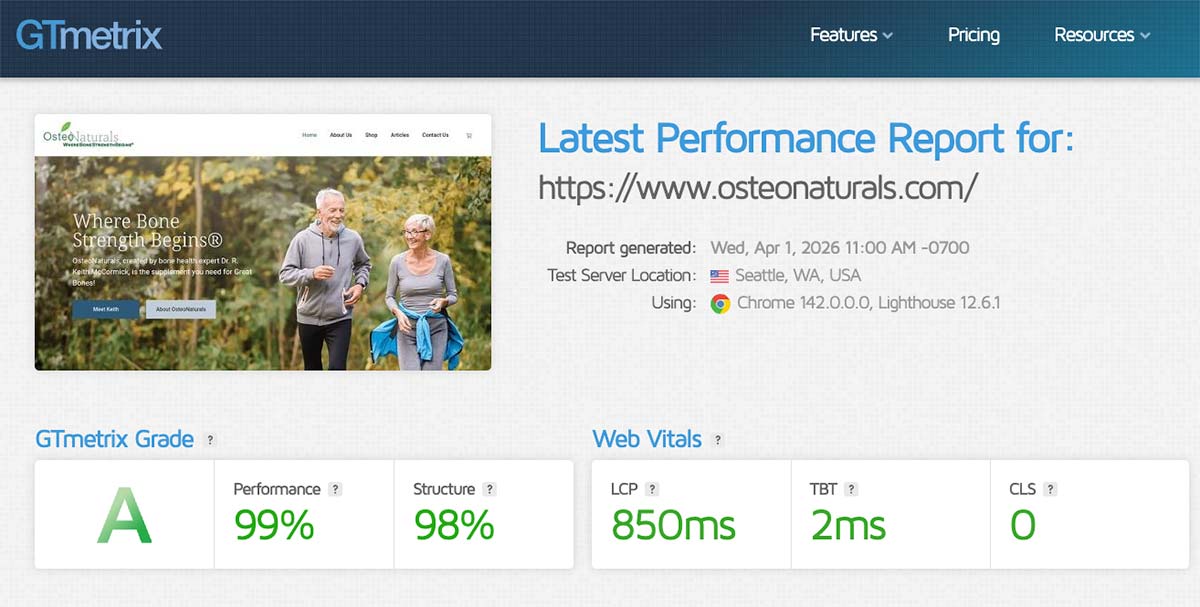
Performance testing tools like GTmetrix help measure speed and technical health, both critical for keeping a Pioneer Valley WordPress site fast and usable.
If your site is heavy, it punishes them.
Performance is a core part of any Pioneer Valley WordPress site, not an afterthought.
Slow load times come from:
- Oversized images.
- Bloated themes and page builders.
- Too many plugins and third‑party scripts.
This isn’t just a “developer concern.” Speed affects:
- Whether people stick around.
- How trustworthy your site feels.
- Where you show up in search results.
Website builders can get slow too, especially once you bolt on enough apps, widgets, and media. But with WordPress you have the option to slim things down by:
- Using a lean theme instead of a multipurpose monster.
- Compressing images and enabling caching.
- Removing plugins you don’t actually need.
- Pairing WordPress with solid hosting tuned for performance.
The result is a site that feels snappy on real devices, in real Pioneer Valley conditions.
What holds businesses back: Letting the site get slower and more fragile every time something new gets added.
What works: Treating performance as a feature, building WordPress sites that stay fast, current, and technically clean.
5. Budget and mindset: expense vs. asset
Budget is real.
Lots of local owners think: “I can’t invest much, so I’ll just hack something together on a builder for now.”
Again, understandable.
But here’s what often happens:
- They spend a bunch of time learning the platform.
- They get something “good enough” live.
- A year or two later, they outgrow it and have to start over, on WordPress this time.
That “cheap” site ends up costing more in time, lost opportunities, and rework than a smart, right‑sized WordPress build would have in the first place.
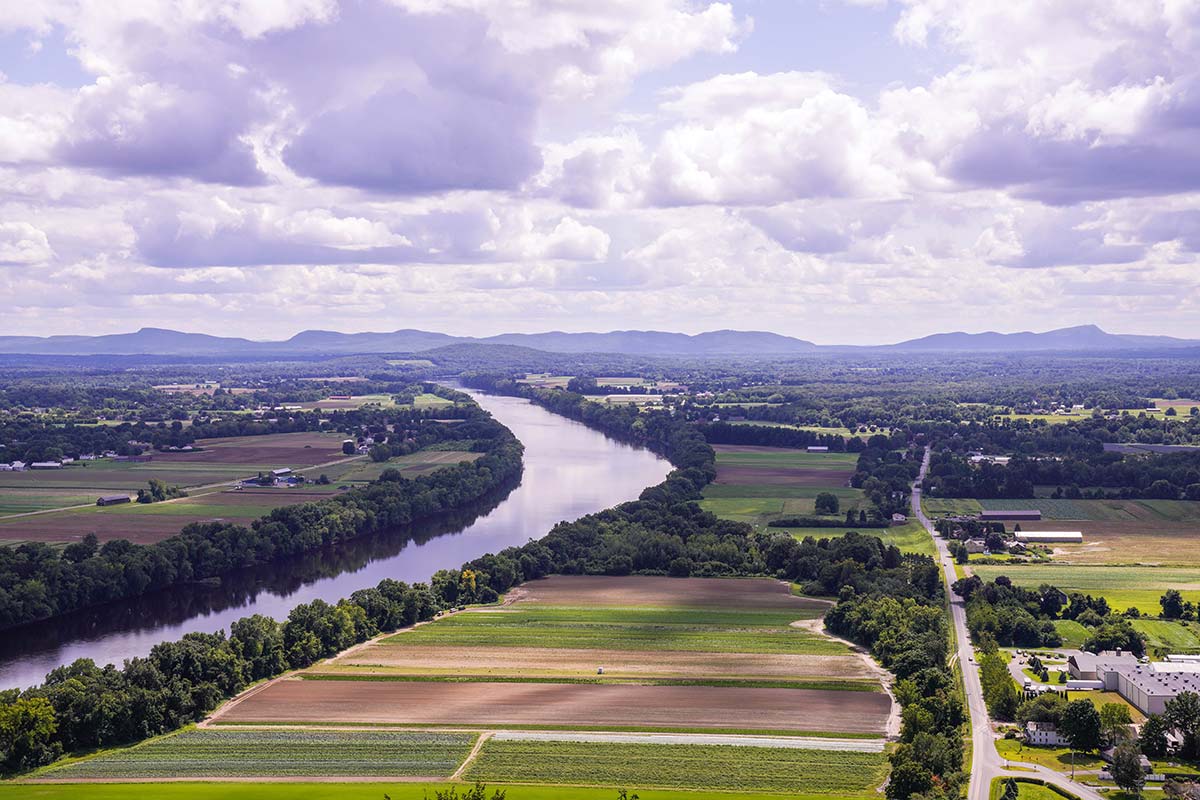
The Pioneer Valley spans a wide mix of towns and industries, your WordPress site should reflect where you work and who you serve.
In a place like the Pioneer Valley, your website doesn’t have to be a huge, scary expense. But it does deserve to be treated like infrastructure. You don’t rebuild a bridge every two years. You maintain it.
WordPress helps you do that because you can:
- Start with a solid core.
- Add features and pages as you grow.
- Keep refining design, content, and SEO without throwing the whole thing away.
What holds businesses back: Seeing the site as a one‑time cost to minimize instead of an asset to develop.
What works: Investing in a flexible WordPress foundation that can be improved over time instead of repeatedly replaced.
6. Ongoing care: launch isn’t the finish line
A lot of sites launch, get a quick round of tweaks, and then… crickets.
No updates.
No backups.
No content changes.
No SEO adjustments.
Over time, that’s how you end up with:
- Broken forms.
- Outdated hours and services.
- Security issues.
- Content that no longer reflects what you actually do.
Modern websites are living things. They need care.
On WordPress, that looks like:
- Regular updates to core, theme, and plugins.
- Monitoring uptime and basic security.
- Refreshing content and images as your business evolves.
- Adding new landing pages and posts as you launch offers, events, or services.
For local brands in the Valley, this kind of steady, low‑drama maintenance is what keeps you from waking up one day and realizing your site is five years out of date and invisible.
What holds businesses back: Treating launch as “done.”
What works: Treating your WordPress website like a long‑term partner, something you keep tuning so it continues to pull its weight.
Quick recap: what works vs. what holds Pioneer Valley sites back
To make this crystal‑clear, here’s the short version.
What holds local businesses back
- Relying on “easy” builders that become hard to grow.
- Generic templates that don’t reflect the brand or the region.
- Confusing UX and slow mobile performance.
- Vague, non‑local content with weak SEO.
- Treating the website as a one‑off project instead of a core asset.
What works
- Custom or lean WordPress builds tuned for your services and towns.
- Clear, mobile‑first design with obvious paths to action.
- Strong, local content and simple but solid on‑page SEO.
- Fast, well‑maintained sites that feel trustworthy.
- A mindset that says, “This is infrastructure. Let’s build it to last.”
If you’re in the Pioneer Valley and your current WordPress site feels more like a placeholder than a partner, the problem probably isn’t “the internet is weird here.”
It’s the choices that were made when the site went up.
The good news: those choices are fixable.
And with the right WordPress foundation, your next version can actually help your business get found, trusted, and chosen, right here in Western Massachusetts.
