


A Practical Guide to Budgeting for SEO, Google Ads, Websites & Lead Generation
Estimated reading time: 10–12 minutes
Every roofing company pays for marketing.
The question isn’t whether you’ll spend money attracting new customers. The question is where that money goes—and what you’ll have to show for it a year from now.
Some roofing companies spend thousands of dollars every month buying leads from third-party services. The phone rings, but every lead is shared with multiple competitors. The moment they stop paying, those leads disappear.
Other companies take a slower path. They invest in a better website. They clean up their Google Business Profile. They ask for reviews after good jobs. They take photos of their own work instead of buying stock images. Not overnight, but their website starts generating leads. Their Google Business Profile climbs in local search. Their reputation grows. Homeowners begin recognizing the company before they ever make a phone call.
Five years later, both companies may have spent the same amount on marketing.
One rented attention.
The other built an asset.
That’s the difference this guide is about.
If you’re wondering what roofing marketing should cost in 2026, here’s a realistic look at typical investments, what you should expect to receive for that investment, and where roofing companies often waste money.
 Before You Buy More Marketing, Build the Foundation
One of the biggest mistakes we see isn’t that contractors spend too little on marketing.
It’s that they start spending before the business is ready to make the most of it.
I think of marketing like pouring water into a bucket.
Every Google search. Every Facebook ad. Every referral. Every yard sign. Every truck wrapped with your logo. They’re all trying to send more people your way.
But if the bucket has holes in it, pouring in more water doesn’t solve the problem.
If the bucket has holes in it, you’ll never fill it.
Those holes might include:
- An outdated website
- No dedicated service pages
- Weak or outdated photography
- Slow page speeds
- Few Google reviews
- Confusing navigation
- No clear calls to action
- Generic content that doesn’t answer homeowner questions
A website isn’t your marketing.
It’s where your marketing goes.
If you’re paying for Google Ads but sending homeowners to a generic homepage, don’t expect great results. Someone searching for “metal roofing contractor near me” should arrive on a page about metal roofing—not your homepage with six services listed together.
The same principle applies to SEO.
We’ve seen a lot of roofing websites try to rank one page for everything: roof replacement, roof repair, metal roofing, gutters, commercial roofing, storm damage, and more. Everything gets squeezed onto a single Services page.
That’s not how homeowners search.
Someone dealing with a roof leak after last night’s storm isn’t asking the same questions as someone comparing metal roofing options for a home they’re planning to own for the next 30 years.
A stronger approach is to give each major service its own page. It helps homeowners find exactly what they’re looking for, and it gives search engines a much clearer understanding of what your company does and where it provides those services.
Want to dive deeper into roofing SEO? Check out our SEO for Roofing Companies Guide. It walks through the strategies we use to help roofing companies improve their visibility and attract qualified homeowners.
 Typical Roofing Marketing Costs
If you’re looking for one magic number, we’re going to disappoint you.
I’ve worked with small businesses that only wanted enough work to keep one crew busy, and we’ve talked with companies trying to expand into three new counties. Those businesses shouldn’t spend the same amount on marketing.
Think of the numbers below as realistic investment ranges rather than fixed prices. Your market, your competition, and your growth goals all matter.
Website Design & Development
Everything else in this guide eventually points back to your website.
Your Google Ads send people there.
Your SEO sends people there.
Your Facebook posts send people there.
Even a referral usually ends with someone pulling out their phone and looking you up.
That’s why we look at a website as the foundation of your marketing—not just another line item in the budget.
Template Website
Typical investment: $3,000–6,000
If you’re just getting your roofing company off the ground, a template website can be a perfectly reasonable place to start.
Just understand what you’re buying.
Most template websites are designed to get you online quickly. They’re not usually designed to support years of SEO growth, advertising campaigns, or dozens of service pages.
Custom Roofing Website
Typical investment: $8,000–20,000+
This is where a custom website starts earning its keep.
You’re not paying for prettier graphics.
You’re paying for a website that reflects how your company actually works.
One mistake we see all the time is a roofing company trying to rank one page for everything they do.
Roof replacement.
Roof repair.
Metal roofing.
Commercial roofing.
Emergency tarping.
Storm damage.
Gutters.
Skylights.
Fascia.
Soffit.
Homeowners don’t search that way.
Someone dealing with a leaking roof after a storm has very different questions than someone comparing standing seam metal roofing.
Your website should have an answer waiting for both of them.
That’s why a good roofing website grows into a library of useful information. It has dedicated service pages, answers common homeowner questions, explains your process, showcases completed projects, and demonstrates the work your company actually wants to be hired for.
The goal isn’t to have the biggest website in town.
It’s to build a strong foundation of original, local content that supports every other marketing effort you make.
Website Maintenance
Typical investment: $100–500/month
Launching a website isn’t the finish line.
Software needs updates.
Backups need to run.
Security needs attention.
Forms occasionally stop working.
Regular maintenance keeps small issues from turning into expensive ones.
Local SEO
Monthly SEO Services
Typical investment: $1,200–3,500/month
I don’t think of SEO as something you buy once.
It’s more like maintaining a building.
Competitors keep improving.
Google keeps changing.
Homeowners keep asking new questions.
Good SEO keeps your website moving forward.
That work may include technical improvements, expanding service pages, writing original content, improving your Google Business Profile, strengthening internal links, earning local authority, and fixing problems before they affect rankings.
In many markets, you’ll begin seeing meaningful progress within several months. In more competitive cities, patience usually pays off.
One-Time SEO Audit
Typical investment: $1,000–3,000
Sometimes the smartest first step isn’t a monthly SEO contract.
It’s figuring out what’s holding your current website back.
A thorough audit should identify technical issues, missed opportunities, content gaps, and priorities so you know where to invest first.
Citation & Listings Management
Typical investment: $100–300/month
This isn’t glamorous work.
It’s making sure your business name, address, phone number, hours, and service information are consistent everywhere homeowners might find you.
When those details are wrong, people notice.
Google does too.
Google Local Services Ads (LSAs)
Monthly Budget
Typical investment: $500–5,000+/month
For many roofing companies, Local Services Ads can be one of the fastest ways to start generating leads because you pay for qualified leads instead of clicks.
Cost Per Lead
Depending on your market and the services you offer, many contractors report paying somewhere between $30 and $100+ per lead.
Management
Some companies manage LSAs themselves.
Others hire an agency for $200–500/month to monitor lead quality, optimize budgets, dispute invalid leads, and keep campaigns running efficiently.
Google Ads (PPC)
Monthly Ad Spend
Typical investment: $1,500–10,000+/month
Google Ads can put your company in front of homeowners almost immediately.
Whether those homeowners become customers is another story.
Cost Per Click
Roofing is one of Google’s most competitive industries.
Depending on your location, clicks commonly range from $5 to $50, with highly competitive keywords exceeding $80 per click.
Campaign Management
Most agencies charge 10–20% of ad spend, often with a minimum monthly management fee.
Here’s one thing we’d encourage every roofing company to think about before increasing their ad budget.
If you’re paying for clicks, where are those clicks going?
I’ve seen companies spend thousands of dollars every month sending paid traffic to a generic homepage.
That’s expensive.
Dedicated landing pages, recent project photos, strong reviews, and content that’s directly related to the service being advertised almost always convert better.
Professional Photography & Video
Photography
Typical investment: $750–3,000
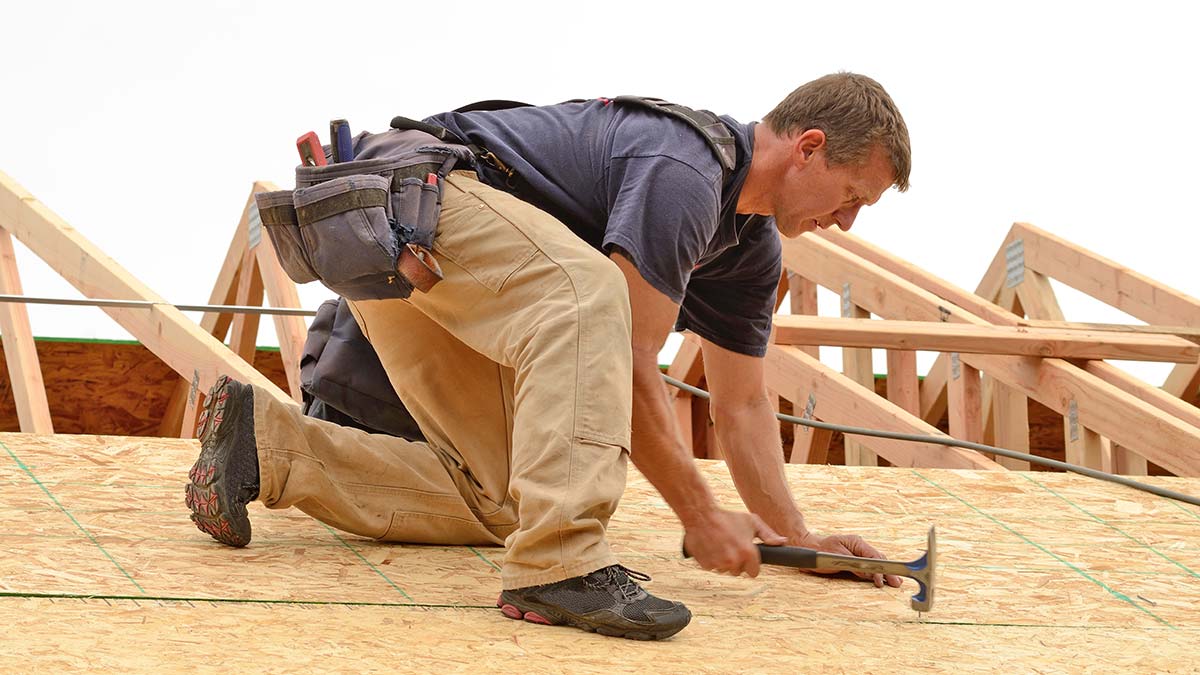
Homeowners can tell the difference between stock photography and your crew standing on a roof you actually installed.
Professional photography builds trust before anyone picks up the phone.
Video
Typical investment: $1,500–8,000+
A short video introducing your company, explaining your process, or walking through a completed project can often answer questions faster than a page of text.
Google Business Profile
Typical investment: $500–1,500
If local SEO is important to your business, your Google Business Profile deserves attention.
Keeping it updated with accurate information, fresh photos, customer reviews, and regular activity can improve both visibility and trust.
Reputation Management
Review Generation & Monitoring
Typical investment: $300–1,000/month
One thing we’ve noticed over the years is that homeowners rarely read just one review.
They skim several.
They look for recent reviews.
They notice whether the owner responds.
A reputation management system helps make that process consistent instead of leaving reviews to chance.
Reviews aren’t just about Google. Organizations like the Better Business Bureau can also influence how homeowners evaluate local contractors.
CRM & Marketing Automation
CRM Software
Typical investment: $100–500/month
Marketing creates opportunities.
A CRM helps make sure those opportunities don’t disappear because someone forgot to return a phone call or follow up on an estimate.
Setup & Automation
Typical investment: $1,000–5,000 one-time
Depending on your business, setup might include estimate reminders, follow-up emails, appointment confirmations, pipeline organization, and integrations with your website.
Generating more leads is only half the equation.
Following up consistently is what turns more of those leads into paying customers.
 What Should You Expect for Your Investment?
Price alone doesn’t tell you much.
The better question is:
What am I actually getting?
SEO
Under $500/month
Be careful.
At this price point, SEO often consists of automated reports, occasional website tweaks, or outsourced work with very little strategy.
Ask exactly what work is being completed each month.
$1,200–2,500/month
This is where many established roofing companies begin investing.
Expect:
- Technical SEO
- Google Business Profile optimization
- Content creation
- Service page optimization
- Internal linking
- Local citations
- Performance reporting
$2,500–5,000+/month
Highly competitive markets often require a more aggressive strategy that includes ongoing content development, authority building, advanced technical work, and continuous optimization.
Custom Roofing Website
A professionally designed roofing website isn’t simply an online brochure.
It should:
- Build trust quickly
- Showcase completed projects
- Make contacting you effortless
- Answer common homeowner questions
- Support SEO
- Convert paid traffic
- Perform well on mobile devices
A beautiful website that doesn’t generate leads isn’t much of an investment.
It’s decoration.
 Example Marketing Budgets
Growing Roofing Company
Annual Revenue: $500,000
Approximate Monthly Marketing Investment:
$2,000–3,500
Example allocation:
- Local SEO
- Google Ads
- Photography
- Website improvements
- Review generation
The goal isn’t to dominate an entire state.
The goal is to own your local market.
Established Roofing Company
Annual Revenue:
$1.5 million
Monthly Marketing Investment:
$5,000–8,000
This budget often supports:
- Ongoing SEO
- Google Ads
- Local Services Ads
- Regular content creation
- Video
- Reputation management
Regional Roofing Company
Annual Revenue:
$5 million+
Monthly Marketing Investment:
$10,000–30,000+
Marketing at this level often includes:
- Multiple advertising channels
- Brand awareness campaigns
- Recruiting marketing
- Community sponsorships
- Video production
- Advanced SEO
- CRM automation
- Landing pages for individual campaigns
Where Roofing Companies Waste Money
The most expensive marketing isn’t always the one with the highest price tag.
It’s the marketing that never had a chance to work.
Some common examples include:
- Running Google Ads to a generic homepage
- Paying for SEO without creating useful content
- Buying leads forever instead of building organic visibility
- Investing in a beautiful website with no local optimization
- Ignoring Google reviews
- Using stock photography instead of showcasing real projects
Every one of those weakens the return on every other marketing investment.
Marketing Works Best as a System
SEO doesn’t exist in isolation.
Neither does Google Ads.
Or social media.
Or reviews.
Or your website.
They reinforce each other.
Someone might discover your company through a Google search, visit your website, leave without calling, see one of your trucks a week later, notice a five-star review from a neighbor, and finally decide to contact you.
Marketing rarely succeeds because of one thing.
It succeeds because everything works together.
Questions to Ask Before Hiring Any Roofing Marketing Agency
Before signing a contract, ask:
- What work will be completed every month?
- Who owns my website?
- Who owns my content?
- Can I keep everything if I leave?
- How will success be measured?
- How often will we communicate?
- Will you build dedicated pages for each roofing service?
- How do you improve conversion rates—not just traffic?
A good agency should be comfortable answering every one of these questions.
Frequently Asked Questions
How much should a roofing company spend on marketing?
Many established roofing companies invest between 5% and 10% of annual revenue, though newer companies entering competitive markets may spend more to build visibility.
Is SEO better than Google Ads?
No.
They’re built for different jobs.
Google Ads can start generating leads quickly. SEO usually takes longer. The upside is that good SEO keeps working after you stop publishing content or running a campaign.
For a lot of roofing companies, the best answer isn’t one or the other. It’s knowing when each one makes sense.
Should I build a new website before investing in SEO?
Not necessarily.
Start by looking at the website you already have.
If it’s slow, hard to navigate, or missing important service pages, fixing those problems is usually money well spent. More traffic won’t help much if visitors can’t find what they’re looking for or don’t trust what they see.
What’s the biggest marketing mistake roofing companies make?
Sending more people to a website that isn’t ready.
We’ve seen contractors spend thousands on Google Ads while their homepage tried to explain every service they offered. Homeowners don’t search that way.
Before increasing your marketing budget, make sure your website gives people a clear next step. Then spend money driving more people there.
Final Thoughts
Marketing isn’t cheap.
Neither is replacing a roof.
Both are investments.
The companies that grow consistently aren’t always the ones spending the most. They’re the ones investing in a solid foundation, measuring results, and improving over time.
If you think of your website, your content, your reviews, and your local SEO as business assets—not marketing expenses—you’ll make better decisions for years to come.
